How brands choose a sportfluencer today
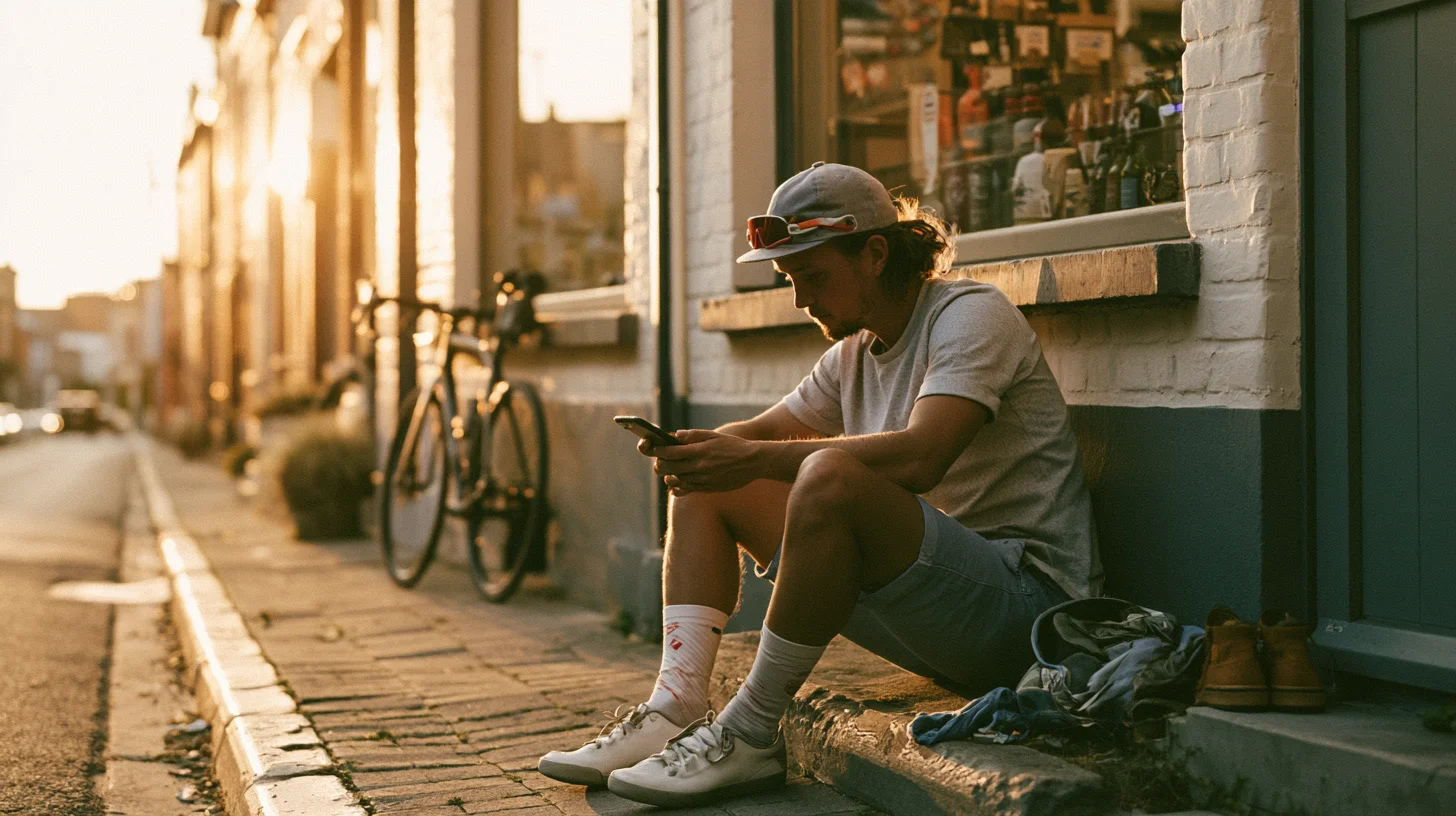
Stan Bufkens, Head of Brand at Cyclowax — a brand Sunday Squad has been working with for a while now — received an email this week from a professional cyclist reaching out for a partnership. The first thing Stan did, as he wrote on LinkedIn: open Instagram. Not last weekend's results. Not the UCI points. Not the palmares.
That gesture says something about where the market is heading.
From results to vibe
Brands used to look at results. A solid classification, a few good rides, a team contract. Today they still look at that — but only second. First they want to see what someone makes themselves. How they shoot, write, edit. Whether there's a vibe behind it.
Stan put it like this in his LinkedIn post: brands get more value working with someone like Lawrence Naesen than with Jonas Vingegaard. Not because Naesen wins more — he doesn't. But because Naesen is the kind of rider people would actually want to ride along with. And for a brand, that's a different kind of value than a yellow jersey.
Performance still matters, Stan emphasises. It's just no longer the first thing brands look at.
The market is shifting, and not just at the top
Stan talks about pro riders. At the same time, brands are working more and more with micro-influencers alongside their existing celebrity and pro deals.
The mechanism at that micro tier works the same way, just with different numbers. What brand managers used to look up first when scouting a micro-athlete was the follower count. How big is their reach, is this "big enough" for what we want. Today that's falling away as the first filter — replaced by something that's harder to count: brand fit. Whether this profile matches this brand in a way you can't read off a single number.
With those micro-sportfluencers there's no palmares-equivalent to fall back on either. No UCI rating. No Wikipedia page. What for pros is an extra criterion alongside the others, has become the entire foundation at the micro level.
Who's reaching out to whom?
One thing easily gets forgotten: the rider reached out to Stan, not the other way around. Stan didn't have to work through a list of candidates — someone knocked on his door.
At Sunday Squad it works the same way. Sportfluencers sign up for a collab because they want to be part of it — because the brand resonates with them, the concept clicks, the timing fits. Only then comes how Sunday Squad selects: which combination of those raised hands forms the squad that best fits this brand.
That changes the nature of the work. We're not filtering from an external market of candidates — we're curating within a group of people who actually want to contribute.
What that curation actually looks like
There's no fixed list of criteria that works for every brand. At Sunday Squad we build the approach for each collab around the brand itself. For a brand focused on visibility and safety, different things matter than for a wax product. For an event collab, different things matter than for product seeding. Sometimes training intensity is decisive, sometimes content craft, sometimes the specific nutrition or relevance angle, sometimes how well someone keeps their own followers engaged, sometimes the credibility someone holds within their community. Which of those weighs how much depends on what the brand wants to achieve — and some brands want to shift the emphasis from one collab to the next.
Dynamic, as it should be.
A sportfluencer with 800 followers in a cycling club in Houthalen can move more within that club than a sportfluencer with 80,000 unknown followers. What's decisive varies per brand. That the follower count isn't decisive — that never varies. More on what sportfluencers actually want elsewhere.
Three shifts for those still working the old way
One: stop scrolling through result lists and old race reports. What you actually need to know about a sportfluencer, they usually tell you themselves — on their own profile.
Two: don't ask for a palmares. Ask for three of their best posts — usually pinned at the top of their profile already, by the way — and especially why they think those are the best. Hopefully not just because of the likes.
Three: don't start with who you'd want to have. Start with who steps forward themselves. That's a much shorter list — and a much richer one. What comes after that selection, see in product seeding vs free gifting.
What brand managers do first now
Ten years ago the first thing a brand manager did when looking at a new sportfluencer: look up the palmares. Today they open Instagram.
Not because results don't matter anymore — they still do — but because the question of whether someone can tell a story weighs more than the question of whether they win. For pros. And even more so for micro.
Keep reading
Amateur athletes are micro-brands, not an audience
Unilever rules that 300,000 influencers, celebrities and TikTokers are the voices that matter