Amateur athletes are micro-brands, not an audience
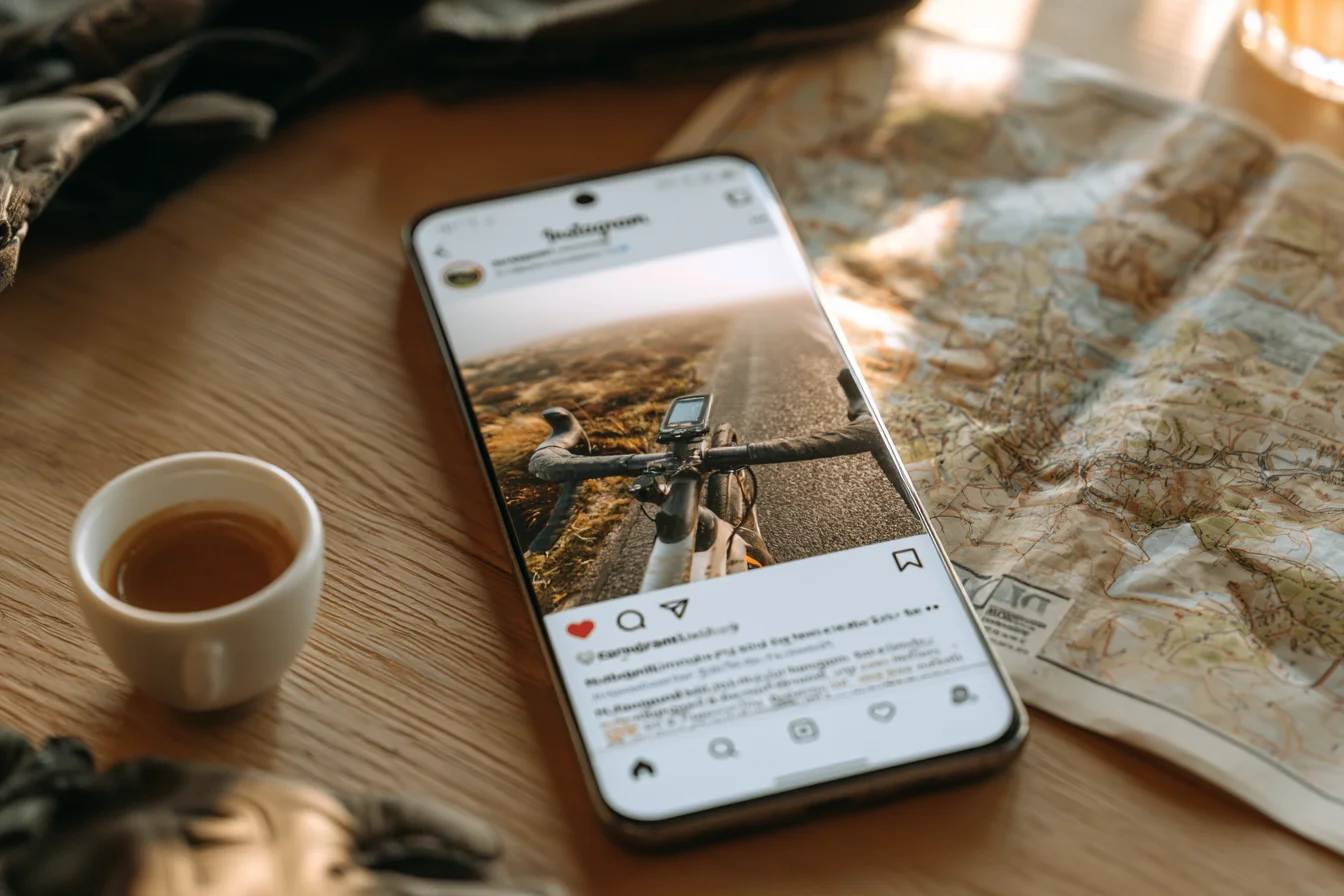
An amateur cyclist in Aarschot rides four hours through the Brabant Ardennes on Sunday morning. During the ride he takes photos of his handlebars, his bike computer, the misty forests around Tienen. After the ride he posts them on Strava and Instagram, with a short text about what the legs did today and why the coffee afterwards tasted better than usual. No brand asked for it. No sponsor is waiting on the post.
That's not someone who only watches sport. That's someone who produces sport-content themselves.
How brands traditionally saw it
Brands traditionally divided the sports world into two categories. Pros were brands — not because they were famous, but because their image was commercially managed. Evenepoel has a name, a PR team, a content strategy, a list of partners who get to negotiate his image rights. Since January he's been riding for Red Bull-Bora-Hansgrohe, with the Red Bull logo literally on his jersey. What the outside world gets to see of him is edited and approved by professionals whose full-time job is to do exactly that.
Amateurs were the audience. People who ride on Sunday mornings, watch pro riders, tell their story to friends — but not to a market.
Brands worked with pros and communicated to amateurs. Two categories, two kinds of relationships. For a large part of the past decades that worked.
What's actually happening
That two-tier division is disappearing. WPP recently wrote that athletes "have evolved from performers into platforms — media creators, entrepreneurs, investors, and community builders". PwC's sports outlook for 2026 predicts that creator-led storytelling is no longer a supplement to traditional media but is becoming its own asset category. OcoCo Media writes in its 2026 trend overview explicitly that brands are increasingly working with highly engaged content creators and semi-professional athletes who have built loyal online followings.
Same pattern: pro and amateur no longer stand on opposite sides of a market. Both produce content. Both have followers. Both function as a brand in the minds of their audience. Just in fundamentally different ways.
Two kinds of brands, not one kind at two scales
Evenepoel is a commercially managed brand. What he posts is thought up by people who get paid to do it. That has its value — professional finish, predictable message, built-in brand safety.
An amateur-sportfluencer is a self-made brand. What he or she posts is thought up by the person themselves, Sunday evening after the ride, with the phone in one hand and the coffee in the other. That has a completely different value — authentic tone, unpolished imagery, sometimes playful, often surprising. The followers know no agency put this together, and that's exactly why they keep watching.
At Sunday Squad we see this daily. Our sportfluencers make content before they even start a collab — not because it's their job, but because they want to. Their Strava feeds, their Instagram posts, their stories during long rides. We don't select who's going to make content for a brand. We select within people who already do, on their own terms, at their own pace.
Three shifts for anyone still working the old way
One: treat amateur-sportfluencers as what they are — creative content-makers with their own voice, not as a target audience and not as micro-versions of Evenepoel. Their strength lies exactly in what a PR team cannot produce: unpolished, authentic, sometimes playful content from a real sports world.
Two: don't brief them, share context. A sportfluencer who makes their own content doesn't respond to scripts. Wants to know where your brand comes from and where it's heading. Then they figure out themselves how their next post fits in — and that result is in nine out of ten cases better than what a briefing would have produced.
Three: show how their content fits into your brand story, not how they should reproduce your message. Reproduction produces advertising. Addition produces something people actively seek out.
Two kinds of value, both real
The cyclist from Aarschot posts his photo online Sunday evening. No agency approves the image. No briefing wrote the text. And yet — or perhaps because of it — his 2,000 followers look at it just a bit longer than at the latest edited post by a pro.
Evenepoel has a brand. The amateur from Aarschot has a brand too. Two different kinds, each with its own function. Pros deliver professional finish and broad reach. Amateurs deliver unfiltered authenticity and deep community. Both real. Both useful. Neither replaceable by the other.
And when you bring twenty-five such amateurs together around one brand at one moment, you get something no pro-partnership can reproduce.
Inzichten over influencer marketing
25 marketers, five minutes
Six months in, we know the supply side: 250 sportfluencers who actually want in. The brand side we want to know better. So we're looking for 25 experienced marketers willing to lend us five minutes of criticism. Read the story-
Why a squad does more than one sportfluencer
One athlete posts a product and it scrolls past. A whole squad posts it at the same time and it becomes a moment — for the brand and for the athlete. -
Amateur athletes are micro-brands, not an audience
Brand managers often think pros are brands and amateurs the audience. But every amateur-sportfluencer with 2,000 followers is also a brand — just different. -
How brands choose a sportfluencer today
Brands pick pro-sportfluencers less on results, more on Instagram-vibe. With micro-sportfluencers it's mostly vibe — and the occasional medal.